The UAE debt burden ratio (DBR) compares assessed monthly debt commitments with income. The CBUAE repayment rule sets a relevant 50% ceiling, while Emirates NBD's published borrowing guidance includes 5% of total credit-card limits in recurring debt assessment. These are affordability rules, not a credit-score formula.
Understand what the 50% ceiling does and does not mean
The CBUAE repayment-instalment rule concerns combined deductions from gross salary and qualifying regular income. Product rules, income treatment, retirement and the bank's own affordability assessment can add constraints. Do not assume reaching 49.9% means a loan must be approved.
Rent, school fees, dependants and living costs can make borrowing unaffordable well below a regulatory ceiling. Start with the amount you can repay after those expenses, not the maximum a calculator appears to allow.
See why an unused card limit can matter
Emirates NBD's affordability explanation uses a 5% assessment of card limits. A hypothetical AED 40,000 total limit therefore represents AED 2,000 of monthly assessed commitment under that approach, even when the statement balance is zero.
That is different from a card's minimum-payment rule and from bureau utilisation. Paying a statement in full addresses an actual bill; it does not reduce the approved limit. Read the utilisation guide before treating those actions as interchangeable.
Work through a transparent AED example
| Gross monthly salary | AED 20,000 |
| Existing loan instalments | AED 3,000 |
| Total card limits | AED 40,000 |
| Illustrative card-limit assessment at 5% | AED 2,000 |
| Total assessed commitment | AED 5,000 |
| Illustrative DBR | 25% |
In that example, the arithmetic leaves AED 5,000 below the 50% ceiling. It does not establish that an extra AED 5,000 monthly mortgage payment is prudent or approvable. The lender still assesses its product, income evidence and other obligations.
Check the effect of existing limits
Uses 5% of total card limits, as described in Emirates NBD’s borrowing guidance. This is an educational example, not a lending decision or the bureau scoring formula. Your bank applies its full affordability policy.
Review limits before a major application
List every card limit and loan instalment, including facilities you rarely use. Ask the intended lender whether reducing or closing a particular limit would change its assessment and what evidence it needs. Consider statement settlement, recurring payments, refunds and reporting time before changing an account.
A lower limit is not a guaranteed score improvement, and a closure is not necessarily reported immediately. Retain written bank confirmation and check the updated record through the bureau's official report.
Include instalments and disclosed obligations accurately
A zero-rate payment plan still has a repayment. Do not remove it from your budget because marketing calls it interest free. Use the instalment calculator to compare processing fees and repayments; ask the lender how it counts the specific plan and BNPL obligations.
Compare card limits and fees with your borrowing plans
The cashback directory helps compare rewards and fees, but a large credit limit is not itself an advantage for someone about to seek a mortgage. Compare only products you need and can repay, using the personal selector.
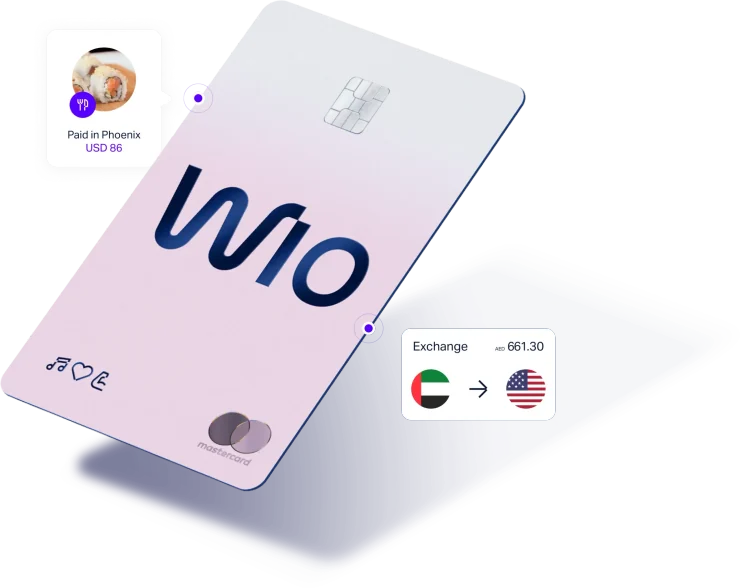
Wio Credit
- Salary minimum
- AED 7,000
- Annual fee
- AED 0
- First-year estimate
- AED 1,632
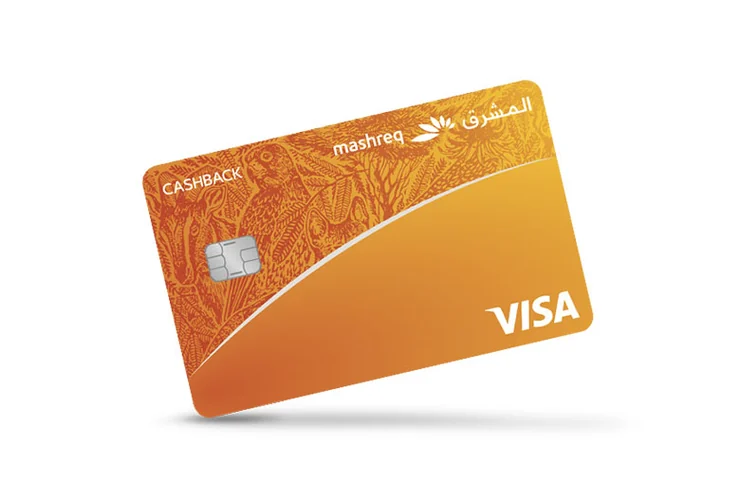
Mashreq Cashback Credit Card
- Salary minimum
- AED 5,000
- Annual fee
- AED 0
- First-year estimate
- AED 2,063
ADCB 365 Cashback Credit Card
- Salary minimum
- AED 5,000
- Annual fee
- AED 383.25
- First-year estimate
- AED 3,305
Related card reviews and fee math
Read these comparison records alongside the article; inclusion does not establish personal eligibility or approval.
What changed in this edition
First published 22 October 2026 with official source links, worked illustrations and explicit unverified-data limits. Embedded bank records retain their own source-check dates.
Explore the matching UAE card category · Calculate rewards for your own spending
Frequently asked questions
Is the 5% card-limit assessment the same as my monthly minimum payment?
No. The example is an affordability assessment of approved limits, not the amount shown as minimum due on a particular statement.
Does reducing a limit guarantee mortgage approval?
No. Ask the lender how it assesses your total commitments and when it will recognise a changed limit. Income, credit history, product rules and its internal assessment still apply.
Sources & review
Article updated 22 Oct 2026. Embedded product records show their own source-check dates. Conditions can change after review.