UAE credit card interest can be quoted monthly: 3.69% per month is a simple annualised 44.28%, while 3.99% per month annualises to 47.88%. Paying only the minimum can leave substantial borrowing costs; an Islamic covered card can also have profit or fee obligations under its own contract.
Check the key facts statement (KFS), rate disclosure and your signed agreement before judging a card by its rewards. A cashback estimate assumes planned spending and does not settle the cost of carrying your balance.
Read monthly interest, annualised rates and AED costs together
Emirates NBD’s credit-card KFS includes 3.69% monthly/44.28% annual examples. FAB’s July 2026 rate schedule publishes retail finance charges of 3.99% monthly and 47.88% annualised. These are issuer examples, not a universal range or a quotation for every applicant.
For scale, AED 10,000 multiplied by 3.69% is AED 369. At 3.99%, it is AED 399. These simplified one-month illustrations assume the whole principal is chargeable for the period. A real bill depends on eligible days, balances, payments and applicable terms.
Do not present an exponential compound-interest calculation as the bank’s permitted charge. CBUAE Standard 7.1.5.12 prohibits interest or profit on accrued interest or profit on consumer credit products. Ask for the disclosed APR and the bank’s actual AED calculation.
Why a minimum payment can leave debt for years
A minimum payment is the least your agreement requires for that statement, provided it is received on time. It can include percentage-based amounts, instalments, overdue sums or other charges. Do not assume every UAE bank uses the same formula.
The Emirates NBD KFS gives an illustrative AED 2,000 balance at 44.28% annually, repaid at 5% of the balance or AED 100, whichever is greater. It says repayment would take about 36 months, with approximately AED 1,500 interest under its assumptions. Your own outcome may differ.
Paying on time and repaying quickly are separate goals. Stop adding purchases to a balance you cannot clear, decide what regular payment your budget can sustain, and request a repayment illustration before accepting refinancing.
Statement balances, minimum payments and missed payments
| Full statement balance credited by the due date | Meets the full repayment requirement for that bill | Cash advances, instalment terms and any residual charges |
| Minimum credited by the due date | Meets that statement’s minimum requirement | Costs on unpaid debt and the longer payoff period |
| Less than the minimum or payment credited late | Can leave a missed-payment event | Applicable fees, account consequences and reporting |
| An early payment before the statement date | Reduces the posted balance when credited | The later statement’s amount due and reporting date |
Review the actual statement after payment. A standing instruction without sufficient funds, a transfer still processing or a pending refund does not establish that the required payment was received.
Read UAE credit utilisation and statement dates for the difference between lowering a balance and changing the approved limit assessed for future borrowing.
How an interest-free grace period can be lost
CBUAE Consumer Protection Standard 7.1.5.14 says licensed institutions must not levy interest or finance fees on qualifying statement balances paid in full by the due date, excluding cash advances. For a part payment, it specifies charges on the outstanding balance from the contractual due date until payment.
Paying only the minimum therefore does not preserve the same full-payment treatment. Check the issuer’s conditions for subsequent purchases and how full-payment treatment is restored. Also ask whether a final residual charge can appear after settlement.
Some issuer KFS examples calculate purchase interest using dates that differ from the standard’s wording. If your bank’s illustration or bill seems inconsistent, ask for a written reconciliation of the charge, dates and applicable standard. Do not assume every transaction automatically attracts interest from its purchase date.
Cash advances and 0% plans have separate costs
Cash advances are excluded from the full-payment protection described above and can carry transaction fees as well as finance charges. A transfer of money from a card is not necessarily priced like an ordinary retail purchase.
For a 0% balance transfer or easy payment plan, record the processing fee, VAT where applicable, monthly instalment, term, early-settlement charge and consequences of missing a payment. Confirm what happens to purchases on the same card and how the bank allocates payments.
An illustrative AED 12,000, 12-month, 0% plan with a 1% processing fee plus 5% VAT on that fee costs AED 126 in fees. Total repayment is AED 12,126, assuming no other charge. Its finance instalment is AED 1,000 a month; check when the separate fee is billed.
Use the UAE instalment cost calculator to compare flat and reducing-rate examples. It is a planning model rather than the quotation for a bank’s particular plan.
Islamic covered cards: Murabaha, Qard and service fees
Islamic cards have distinct underlying contracts. Murabaha involves a sale at a disclosed cost plus profit; Qard is a loan structure; Ujrah refers to a fee for services. Those labels alone do not establish a card’s total cost or justify treating every UAE Islamic card as the same product.
ADIB’s covered-card KFS describes either self-funding or a commodity Murabaha arrangement, with cover held in a short-term investment account. Contractual monthly profit, investment returns and any discretionary bank bonus can affect the net payment. A full or partial waiver is subject to its terms.
Ajman Bank’s card KFS distinguishes Murabaha products from Roadmiles, described as Qard with a fixed monthly fee. Its current educational page describes commodity Murabaha and Wakala for covered cards. A product’s signed contract and current KFS take precedence over a generic description or an older structure.
Confirm the exact arrangement, profit or fee calculation, rebate conditions, early settlement and any donation commitment on late payment. A charity-related charge is not a reason to treat a missed payment as costless or harmless to your banking relationship.
What to do if the next payment is unaffordable
Contact the issuer before the due date, explain the shortfall and ask for the available repayment options and their total AED costs in writing. Record whom you spoke to, the reference number and whether the bank has actually changed the payment schedule.
Avoid borrowing on another card solely to maintain rewards or reach a welcome target. Check essentials and existing commitments first. If a charge is unclear, request a breakdown and use the bank’s formal complaint process rather than ignoring the bill.
Compare cards using costs you can actually repay
The UAE card comparison directory and individual card reviews separate product fees from rewards. A card with no annual fee can still charge interest; a premium card’s rewards can be outweighed by one carried balance.
Check your AECB report and debt burden before adding more credit. The examples below illustrate different structures and fees, rather than a recommendation to borrow.
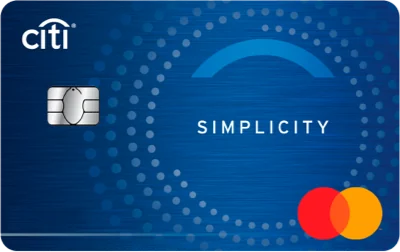
Citi Simplicity Credit Card
- Salary minimum
- AED 5,000
- Annual fee
- AED 0
- First-year estimate
- AED 0
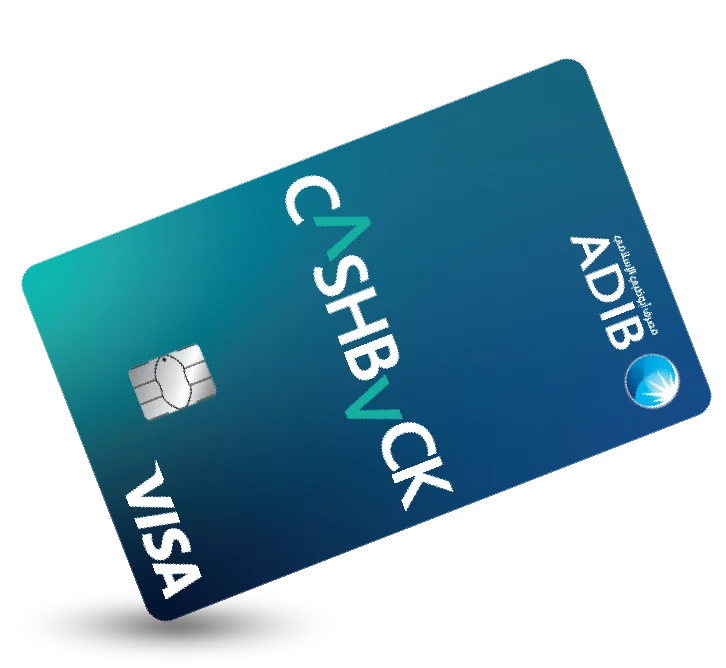
ADIB Cashback Visa Covered Card
- Salary minimum
- Confirm with bank
- Annual fee
- AED 103.95
- First-year estimate
- AED 3,496
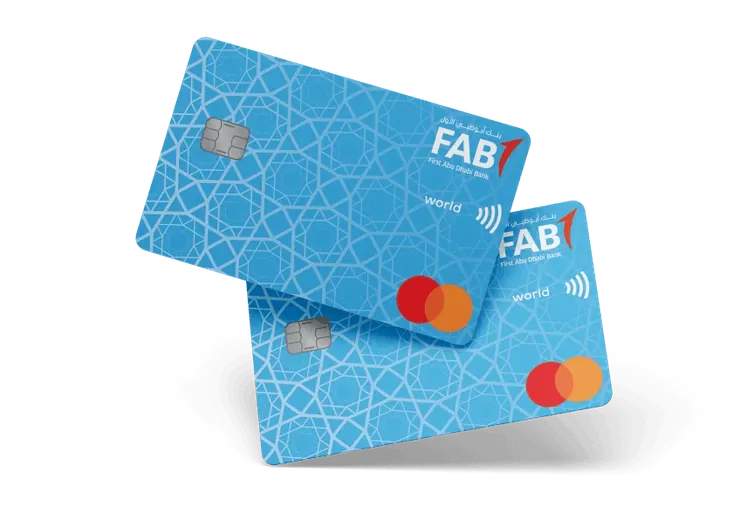
FAB Cashback Credit Card
- Salary minimum
- AED 5,000
- Annual fee
- AED 315
- First-year estimate
- AED 2,421
Frequently asked questions
Is a 3.69% UAE credit card rate per month or per year?
If the disclosure says 3.69% per month, a simple annualisation is 44.28%. That is different from a 3.69% annual rate. Read the bank’s APR, calculation method and fees; do not assume interest is legally compounded onto accrued interest.
Will paying the minimum avoid interest?
Usually it only meets the minimum amount due if credited in full and on time. It does not equal paying the full statement balance. Remaining debt can incur interest or finance costs under the applicable rules and agreement.
Do Islamic covered cards provide free borrowing?
No. Their contracts can charge disclosed profit, fees or other permitted costs and apply conditions to rebates or waivers. Murabaha, Qard with fixed fees and other structures should not be treated as interchangeable.
Is a 0% instalment plan free?
A 0% headline can still come with processing fees, VAT where applicable, early-settlement charges or consequences for missed payments. Compare total AED payments with the original amount, and read how the plan affects other card balances.
Can my bank charge interest on interest?
CBUAE Consumer Protection Standard 7.1.5.12 says licensed financial institutions must not charge interest or profit on accrued interest or profit on consumer credit products. If a charge is unclear, request the bank’s written calculation and use its complaint process.
Sources & review
Article reviewed 19 Oct 2026. Embedded product records show their own source-check dates. Conditions can change after review.
- CBUAE — Consumer Protection Standards, 7.1.5.12–14 and responsible financing
- Emirates NBD — August 2026 credit card key facts, rates and minimum-payment illustrations
- FAB — July 2026 credit card rates, fees and annualised rates
- ADIB — covered-card KFS and commodity Murabaha mechanism
- Ajman Bank — card KFS explaining Murabaha and Qard with fixed monthly fees
- Ajman Bank — current explanation of Islamic covered cards and profit treatment