UAE credit card benefits combine rewards with conditional perks such as lounges, cinema, valet and insurance. Compare the actual AED saving after fees and merchant rules, and count only benefits you expect to use.
Start with your normal spending rather than a card’s most impressive benefit. Then ask whether the reward is available at your merchants, whether you meet the conditions, and what you would pay for the same benefit without the card.
Five types of benefit
| Cashback | Eligible spending credited back | Category caps and minimum spend | Actual expected credit |
| Airline miles | A redemption you can book and use | Award availability and cash charges | Your expected net fare saving |
| Cinema discount | A ticket you would otherwise buy | Booking channel, ticket type and monthly limit | Avoided ticket cost |
| Lounge or valet | A visit you would otherwise pay for | App registration, qualifying spend and venue | Avoided entry or parking cost |
| Insurance | Equivalent cover you would otherwise purchase | Eligible trip, payment trigger and exclusions | 0 until equivalent cover is checked |
An unused benefit is worth zero in a personal comparison, even when the advertised allowance is generous. A discount also has little financial value if it makes you buy something you had not planned to buy.
Why the headline rate is not your return
Take a hypothetical card paying 5% on groceries up to AED 100 a month and 0.5% on other eligible purchases. Spend AED 3,000 on groceries and AED 2,000 elsewhere: the grocery reward stops at AED 100, while other spending earns AED 10. The combined AED 110 on AED 5,000 is a 2.2% effective return, before the annual fee.
| Groceries at 5%, capped at 100 | 3,000 | 150 | 100 |
| Other eligible spending at 0.5% | 2,000 | 10 | 10 |
| Total | 5,000 | 160 | 110 |
Merchant coding matters. A purchase that feels like education, groceries or utilities to you may be processed differently by the merchant. Bank exclusions can also override the general rate. Use the rewards matcher to model your mix, then read the issuer’s exclusions for your largest payments.
Minimum spend can change the result
There are two separate questions: what earns a reward, and what spending unlocks a benefit. A card may require qualifying monthly purchases before its cashback or cinema allowance applies. A welcome bonus may use a different clock starting at issuance.
Track the billing cycle, qualifying transactions and posting dates. Refunds can reduce qualifying spend. A spend threshold that you naturally meet is manageable; one that requires extra purchases may turn a useful perk into an expensive habit.
Fees belong in the same calculation
Your net annual value is expected eligible rewards plus benefits you will actually use, less annual fees and additional costs caused by the card. Compare year one and later years separately. A welcome offer can make the first year attractive while the ongoing proposition is weak.
Include VAT where applicable, redemption charges, foreign-exchange costs on travel spending and the price of meeting a condition. If you carry a balance, include finance charges in your personal calculation. A rewards ranking that excludes borrowing costs cannot tell you whether borrowing is affordable.
Insurance needs its own review
Travel medical cover, travel inconvenience, purchase protection and rental-car damage are different protections. Their limits, exclusions and claim requirements differ. The bank’s page is a starting point; the policy wording and certificate establish the cover.
Ask who is insured, how travel must be paid for, the maximum trip duration, which destinations are eligible and what evidence is needed. Existing employer or standalone insurance may already cover the same risk. Read the insurance valuation guide before assigning a cash value.
Build a shortlist you can explain
Write one sentence for each shortlisted card: “This earns approximately AED X on my normal spending, costs AED Y, and gives me Z benefits I will use.” If you cannot explain the estimate without several unlikely assumptions, reduce the value or choose a simpler product.
The cards below provide different combinations of rewards and perks. Open their directory details for current conditions, and compare them using the same spending assumptions.
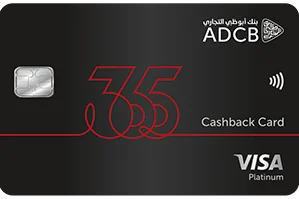
ADCB 365 Cashback Credit Card
- Salary minimum
- AED 5,000
- Annual fee
- AED 383.25
- First-year estimate
- AED 3,305
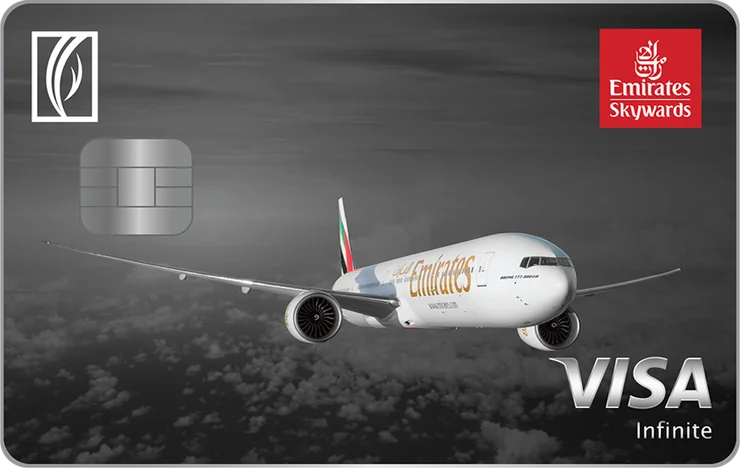
Emirates NBD Skywards Infinite
- Salary minimum
- AED 30,000
- Annual fee
- AED 1,575
- First-year estimate
- AED 0
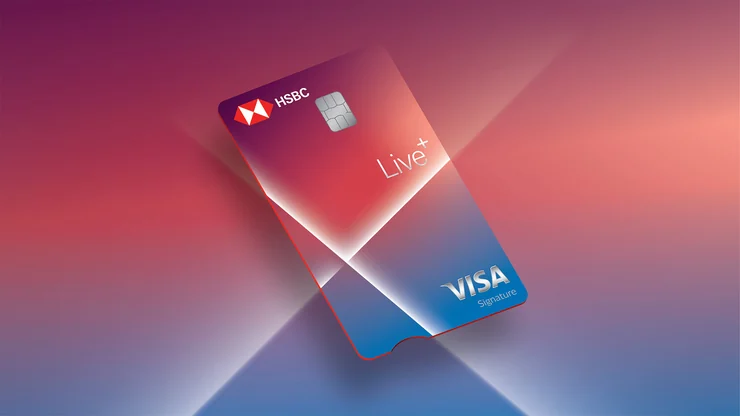
HSBC Live+ Credit Card
- Salary minimum
- AED 12,500
- Annual fee
- AED 313.95
- First-year estimate
- AED 3,180
Frequently asked questions
Is a higher-tier card always better?
No. Higher fees, income requirements and unused benefits can outweigh extra rewards. Compare the net value for your own spending and travel.
Do supplementary cards get separate perk allowances?
Sometimes allowances are shared across the primary and supplementary cards. Check the issuer’s wording for each benefit rather than multiplying an allowance by the number of cards.
Are insurance benefits automatic?
Cover may require payment of eligible travel with the card, a qualifying trip and an eligible person. Obtain the policy for your exact card before relying on it.
Can rewards offset the cost of carrying a balance?
Finance charges and other fees can exceed the reward earned. Our reward estimates exclude borrowing costs; assess those costs separately if you do not repay in full.
Sources & review
Article reviewed 9 Oct 2026. Embedded product records show their own source-check dates. Conditions can change after review.